It was anything but tranquil when Megalodon’s molar was first discovered. It was one of the biggest predatory sharks to ever inhabit Earth’s oceans. The tooth then disappeared. For most objects, that could be the final chapter. For dinosaur fossils, this can be the beginning of the story.
Fossil Driven’s fossils have gone traversed through a journey of geology that’s not measured in years or decades instead, millions of years. This journey can change the way you see a fossil. It’s no longer just an intriguing object. You’re witnessing physical evidence of the world that was gone long ago.
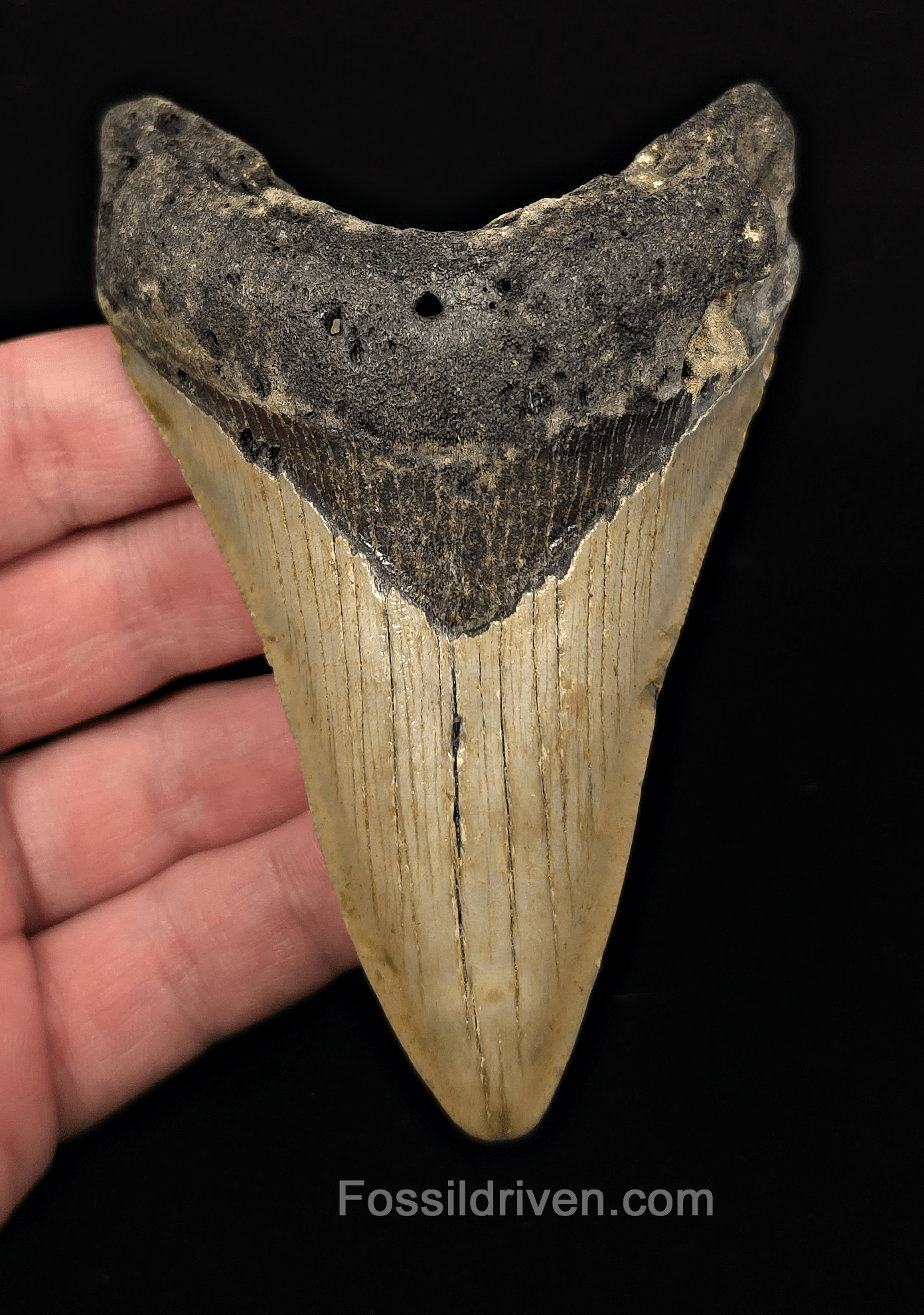
Image credit: fossildriven.com
First Stop: An Ancient Ocean
Consider the Megalodon the molars in West Java, Indonesia. Twenty million years ago, warm marine habitats were present in dry areas that exist today. Megalodon sharks inhabited those prehistoric waters alongside countless other forms of marine life.
Megalodon also produced and shed teeth in a way similar to sharks of today. Some of these teeth ended up in sediments from the sea. If conditions are right burial can protect them enough to allow them to fossilize.
Then, Geology came in.
The next chapter unfolded slow. Sediments formed. Minerals interacted and dug up. The effects of geological forces changed the landscape, and previously underwater environments later became part of the land we live on. These processes explain what shoppers immediately notice when looking at megalodon teeth for sale authentic fossil teeth differ in color dramatically.
Indonesian specimens from West Java’s Miocene Bentang Formation may appear gold, tan, blue, red, brown or black. Or they can display many shades within one tooth. The surrounding minerals contribute to the way a specimen is able to develop during its lengthy burial. It is not possible to create the results in large quantities by natural means. Each fossil has had the geological evolution of its own.
Discovery begins a new chapter
In the end, a fossil that was hidden for a number of decades is finally discovered. The identification and documentation is essential.
Collectors aren’t content with the appearance of megalodon teeth when they search for them. This is why they need to know about geological preservation, location, and repairs.
Natural wear doesn’t take away a fossil’s past. The specimen’s history could be seen in worn edges or a damaged root, or a serrated surface. What matters is representing the condition of the specimen in an accurate manner.
Fossil Driven has over 13 years of experience in fossil identification. We work with established suppliers as well as fossil hunter. The fossils are analyzed and described with pertinent information when possible.
In the end, the Fossil Finds a Hand
People buy real Fossils for many reasons. Some individuals build a meticulously separated collection. Some prefer a single striking conversation piece. A child interested in ancient animals could be gifted the first fossil that inspires them to study paleontology.
Megalodons are only one of many doors that open to the world. Dinosaur tooth, mosasaur, trilobites and ammonites, in addition to mammoth and amber and ammonite material preserve diverse sections of the Earth’s past.
The greatest part is knowing It’s real
A replica could replicate the shape and size of teeth that was found in prehistory. It’s not able to replicate its past. The Megalodon teeth were discovered in animals from the past that lived in an entirely different environment like the one we have present day. They survived geological changes and were buried for millions of years, and then were discovered.
This is the reason authenticity is so important. When you hold a genuine fossil it is a thing that has was able to successfully complete an unimaginable journey across time. The display case is merely its latest stop.