In the medical world, it’s easy to think that better imaging means more detailed images. In actuality, radiology has a greater purpose than it appears. It’s crucial to inquire whether a test provides the right information in a given medical scenario.
For example, a person who has a suspected joint problem has an entirely different diagnosis when undergoing prostate or breast imaging. Modern radiology does not rely on a single scanner for every situation rather, it uses technique of range imaging to tackle these differentiators.
Patients can take advantage of a broad selection of diagnostic procedures and imaging-guided procedures at the Wolfsburg Diagnostic Center.
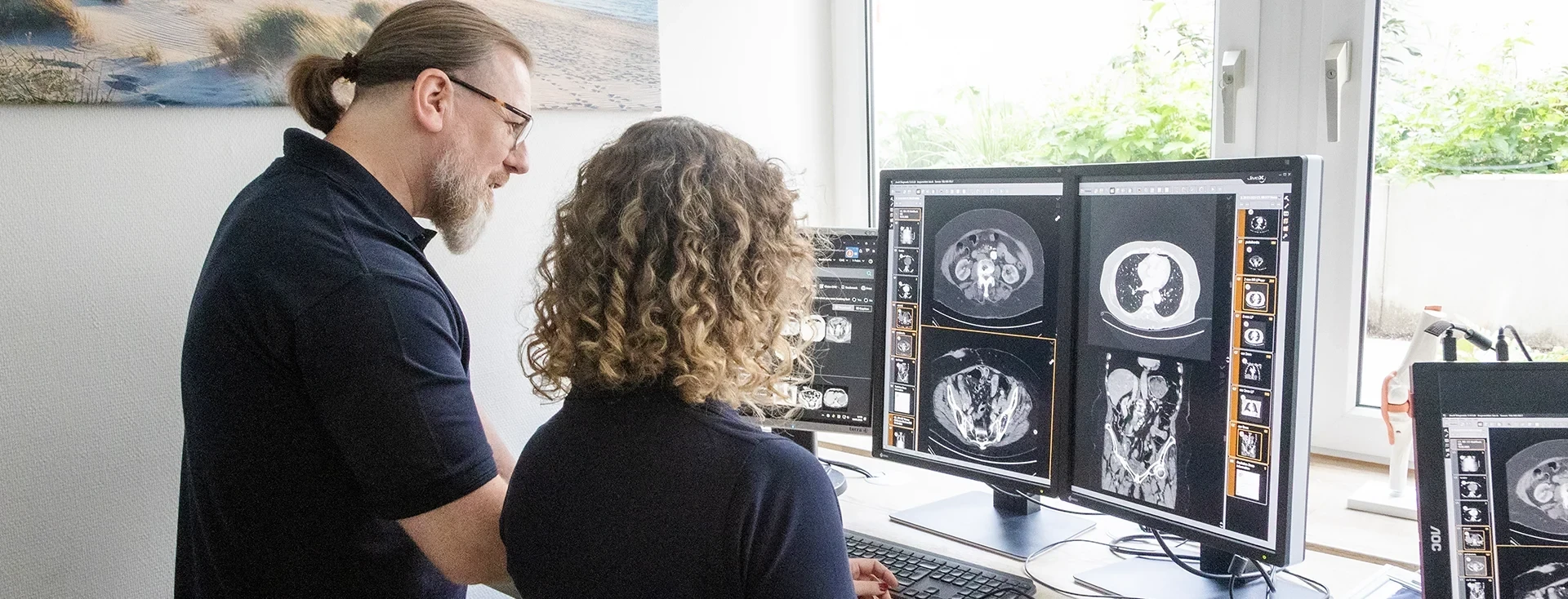
Image credit: diagnostikzentrum-wolfsburg.de
Different Parts of the Body Show Theirself Differently
Bones, organs, joints and soft tissues do not look the same with each imaging technique.
Magnetic resonance imaging is especially beneficial when a precise visualization of various soft tissue structures are required. The Wolfsburg Diagnostic Center operates two modern 1.5 Tesla MRI scanners and examines areas such as the spine, brain joints, internal organs, and soft tissues.
MRI uses no X-rays. If the situation warrants, the centre offers more targeted exams like prostate MRIs as well as whole-body MRIs.
The term “MRI” refers to a technique that describes the use of this technique. But the medical issue will determine the method of use.
CT Provides a Different View
Computed tomography has its own purpose in diagnosing medical conditions. CT creates detailed cross-sectional pictures of the body using Xrays. In the Wolfsburg Diagnostic Center the examinations are carried out using low-dose technology intended to decrease radiation exposure while maintaining the quality of the images required for evaluating.
The patient’s condition determines the most appropriate imaging technique. It’s not required that a higher-quality image means it is better.
Digital Xrays Still Have Value
With MRI and CT getting a lot of attention, traditional X-ray imaging may seem outdated. Digital X-rays can tell a different story.
Digital systems continue to provide an established method to study the skeletal system. Modern equipment utilizes high-resolution images and techniques that reduce radiation exposure.
The newer technologies have expanded the radiologist’s options, rather than replacing every method that came before them.
Breast Imaging Can Benefit a Focused Method
Breast diagnostics are yet another type of imaging that is special. The center offers mammography which includes 3D mammography and tomosynthesis, as well as breast ultrasonography. These technologies offer different forms of images, which can be used based on the individual patient’s medical condition.
The same principles apply to radiology: useful imaging starts by understanding the issues that need to be examined.
Sometimes, imaging can help guide treatment
Radiology isn’t only about identifying and monitoring any abnormalities. The Wolfsburg Diagnostic Center performs CT guided periradicular treatment (PRT) in which CT images are used to guide the procedure. Another option to treat patients is low-dose radiation therapy.
These examples illustrate how imaging technology can transcend observational methods, and could play an important role in guiding precise medical treatment.
Precision Means Asking a Focused Questions
Modern diagnostic centers aren’t determined by the amount of devices they possess. Its importance is in applying the correct technology to a clearly defined medical need and having skilled specialists analyze the results. To learn more CT Wolfsburg
At Wolfsburg’s private consultation times Patients can take advantage of various radiological tests as well as receive expert care. Patients can also be able to discuss their results.
It’s not just about creating more images. The objective is to generate evidence-based information that can assist patients and doctors better be aware of the medical issue being investigated.