Artificial intelligence has changed the way developers write software. Nowadays, coding assistants can create functions, provide instructions on unfamiliar code and suggest bug fixes in just a few seconds. A lot of development teams will soon realize however that creating code is only a tiny part of the engineering process. Understanding how a repository an entire unit functions is the biggest challenge.
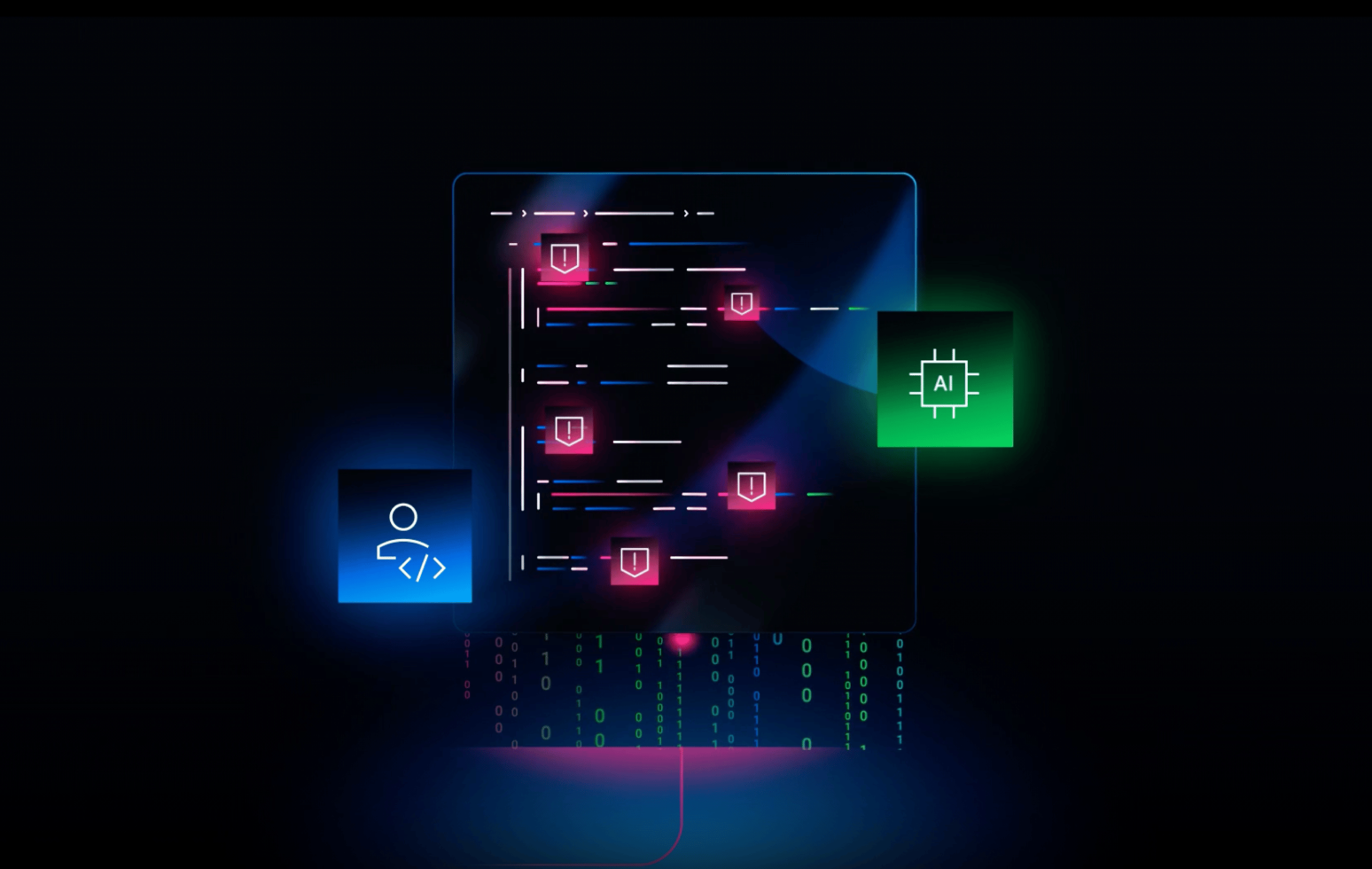
Large projects typically contain thousands of interconnected libraries, files, APIs, and dependencies. When an AI assistant is reading files at a time, without understanding these relationships it might miss the source of a problem, or create unexpected negative results. repository intelligence for coding agents becomes increasingly valuable, providing structured insight before changes are ever proposed.
Context is the key to making better engineering choices
Developers invest a lot of time discovering dependencies and root causes. They also consider the impact of a change on other parts. The discovery process is able to be automated so that engineers to focus on resolving problems rather than searching for them.
Codna uses a different approach to software analysis by establishing a certain knowledge of the entire repository prior to the time that AI begins generating fixes. Instead of using a huge amount of context to allow for numerous files to be inspected the symbol of the platform maps dependents, dependencies, and a possible blast radius local, then will only provide the necessary evidence for the job. The platform cuts down on unnecessary processing and allows AI to operate with more assurance.
Reliable fixes require verification
Trust is among the major concerns that arise in AI-assisted design. The proposed change may seem to be right but it could cause regressions or be unable to pass the current tests. Engineering teams need to be sure that the proposed solutions will work with their respective applications.
An effective AI software for code repair should do more than recommend edits. It should be able to evaluate the potential impact and make sure that changes conform to project tests. The process of verification helps lower risks and speed up development cycles.
Codna’s workflows for validation and analysis of repositories allow developers to move from finding a problem to looking over an approved fix using more manual investigation.
Privacy and security are important.
As companies increasingly embrace AI-assisted development, they are also thinking about where sensitive source code needs to be handled. Engineers are now focused on the privacy of their employees, compliance with laws and intellectual property.
Codna’s focus on understanding of local repositories privacy-first architecture, speedy analysis allows teams working on development to have greater control over their code. Deterministic mapping, persistent memory and a reduction in data movement that is not necessary improve efficiency and security, without harming either.
Create the next generation of intelligent workflows for development
The future of software engineering isn’t likely to be based solely on large model languages. Instead, it will combine smart reasoning with specialized infrastructures that is able to comprehend the complexity of repository systems.
The change in attention is a direct result of the change in interest. AI systems are now capable of more than simply generate code. They can also spot issues, determine dependencies, offer safer solutions and test the outcomes. These capabilities, when combined with a robust repository-intelligence in coding agents enable engineering teams to devote more time to developing software, instead of troubleshooting.
Codna is a software solution that was that is designed specifically for environments that require engineering. Codna focuses on repository information, verified code and developer-controlled workflows. Codna is an advanced AI platform for repairing code which helps transform large, complex codebases into organized knowledge. This lets developers and AI systems collaborate more efficiently and create quicker, safer, and more efficient software.